








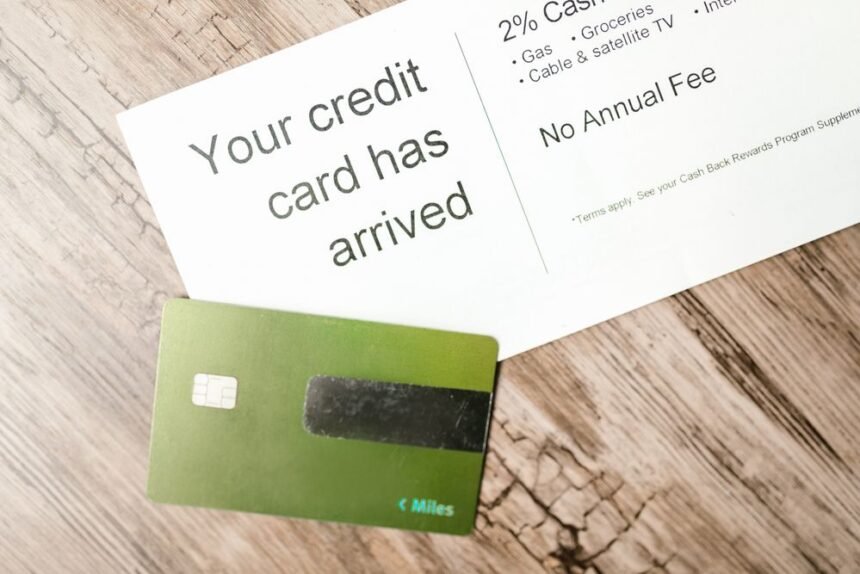
Cardholders across the country are logging into their Comenity accounts and finding them closed — no warning, no clear explanation. Social media posts and YouTube videos have amplified the panic, with some claiming Comenity is “going out of business.” That story is spreading fast, but the reality is more nuanced and, for most people, considerably less alarming.
This article breaks down what Comenity Bank actually is today, why the shutdown rumors are circulating, what account closures really mean, and what steps you should take if a Comenity card or savings account has been affected.
What Comenity Bank Is — and Where It Stands Now
Comenity Bank and Comenity Capital Bank are specialty banks. They issue private-label store cards, co-branded credit cards, savings accounts, and certificates of deposit. Both banks operate as subsidiaries under Bread Financial, a financial services company headquartered in Columbus, Ohio.
Bread Financial also markets deposit products under the Bread Savings brand, which was previously known as Comenity Direct. Same underlying institution — different name on the label.



Comenity has no physical branches. All customer interaction happens through digital channels and by phone. The company is listed as an active business with the Better Business Bureau and continues to issue new credit products, including the Comenity Mastercard. Nothing about that picture resembles a bank winding down operations.
The Rebranding That Looks Like a Disappearance
Here is where a lot of the confusion starts. Over the past few years, Comenity branding has been quietly deemphasized as Bread Financial positions itself as the parent-facing identity. Bread Savings replaced the Comenity Direct name for savings and CD products. Statements and websites now show different logos than cardholders remember.



When people see fewer “Comenity” labels and more “Bread Financial” language, some assume the company is dissolving. It is not. What they are watching is a corporate rebranding exercise, not a shutdown.
Comenity Bank and Comenity Capital Bank remain legally active entities within the Bread Financial structure. The most accurate way to think about it: Comenity is a brand and subsidiary under Bread Financial — not a company that has been replaced or closed.
If you opened a high-yield savings account when the product was called Comenity Direct and now your statements say Bread Savings, your money has not moved anywhere. The same bank manages it, and FDIC insurance rules still apply in the same way.
Why Accounts Are Closing — and What It Actually Means
This is the part that genuinely affects people, and it deserves a straight answer.



Comenity’s business model depends on retail partnerships. The bank teams up with merchants to offer co-branded or private-label store cards. When a merchant ends its contract with Comenity, the associated card program can be terminated or migrated to another issuer. That has nothing to do with the bank’s solvency.
Comenity also periodically closes individual accounts due to inactivity, risk review, or portfolio optimization. This is standard industry practice — not unique to Comenity, and not a sign that the bank is failing.
Here is a realistic example of how this plays out. A clothing retailer ends its partnership with Comenity and moves to a different card issuer. All co-branded cards for that retailer are closed. Cardholders receive letters explaining the change, then post on Reddit or Facebook saying “Comenity is shutting down” — while Comenity continues running dozens of other card programs without interruption.
Social media reports of multiple cards closing at the same time often reflect a single portfolio decision by the bank, not evidence that the institution itself is in trouble. Consumer threads on Reddit and Facebook show real frustration with sudden closures, and that frustration is understandable. But anecdotal reports of aggressive account management are not the same as signs of insolvency.
One important note: a closed account does not erase what you owe. If you carry a balance on a card that gets closed, that balance still needs to be paid under the original or revised terms. Closure changes access to the credit line — it does not eliminate the debt.
How a Closed Comenity Account Affects Your Credit
This is a legitimate concern, and it is worth understanding how the mechanics work.
When an account closes, your total available credit drops. Less available credit with the same balances means a higher credit utilization ratio, which is one of the more significant factors in credit scoring. A noticeable drop in available credit can cause a temporary score dip.
Consider this scenario: you have three rarely used Comenity store cards with a combined credit limit of $6,000. Comenity reviews those low-activity accounts and closes all three at once. Your available credit falls by $6,000, your utilization ratio climbs, and your score may drop — somewhere in the range of 20 to 40 points depending on your overall profile. That is disruptive, but it is recoverable.
The positive side: your payment history on those accounts does not disappear. On-time payment records typically remain on your credit report for years after an account closes, and that history continues to work in your favor.
What does not tend to have a major impact is the closure itself showing as a negative mark. Lender-initiated closures generally do not carry the same scoring weight as a missed payment or a new collection account.
What to Do If Your Comenity Account Has Been Closed
If you have received a closure notice or logged in to find an account gone, here are practical steps to take.
- Confirm the closure is real. Check official channels — email, paper mail, and your account portal at Comenity or Bread Financial. If something seems off, call the number on the back of your card to verify.
- Get written confirmation. Ask for documentation of the closure and your current balance. Keep a copy for your records.
- Keep paying your balance. If you owe anything, continue making payments on schedule. Closure does not change your obligation, and missed payments after closure can still damage your credit.
- Check your rewards. If you had points or store certificates, contact customer service to find out whether they can still be redeemed and for how long.
- Monitor your credit reports. Visit AnnualCreditReport.com and verify that the closed account appears correctly. Dispute anything that looks inaccurate.
- Consider restoring available credit. If the closure raised your utilization significantly, opening a different general-purpose card with another issuer can help bring utilization back down — assuming your credit profile supports it.
If you believe a closure was handled incorrectly or your complaint is not resolved by Comenity’s customer service, you can file a complaint with the Consumer Financial Protection Bureau (CFPB) or the Better Business Bureau.
Are Deposits at Bread Savings Safe?
For anyone who holds savings accounts or CDs through Bread Savings (the former Comenity Direct), the concern is understandable but the situation is relatively straightforward.
Bread Savings operates under Comenity Capital Bank, which is an FDIC-member institution. Deposits held at FDIC-insured banks are protected up to the legal limit per depositor, per ownership category — even in the event of a bank failure. That protection exists regardless of what the product is named on the outside.
The name change from Comenity Direct to Bread Savings does not affect the underlying deposit structure or your insurance coverage. If you are unsure about your specific account’s coverage, the FDIC’s BankFind tool lets you verify any institution’s insured status directly.
The Bigger Picture on Store Card Risk
The Comenity situation highlights something worth keeping in mind as a general financial habit. Store cards are often tied to a single retailer and a single issuing bank. When either party exits the relationship, the cardholder is affected — sometimes without much notice.
Readers who want to reduce that kind of exposure can find useful context on Business Base about building more resilient credit profiles. The basic principle is diversification: a mix of general-purpose cards from major issuers alongside a few store cards offers more stability than a portfolio made up entirely of niche retail credit accounts.
Monitoring news about Bread Financial’s partnerships and earnings can also give early signals if a major program change is coming. The company is publicly traded, which means quarterly reports and press releases are accessible and worth a look if you hold several Comenity-issued cards.
The Bottom Line
Comenity Bank is not going out of business. The bank continues to operate under the Bread Financial umbrella, issue new credit products, and manage active retail partnerships. What has happened — and what is genuinely affecting some customers — is a combination of corporate rebranding and targeted account closures tied to portfolio management decisions.
That distinction matters. A bank quietly retiring a store card program it no longer finds profitable is very different from a bank collapsing. If your account has been closed, the impact is real and worth managing carefully. But it does not mean Comenity is failing — it means the business is making adjustments, as issuers in this segment routinely do.
Stay informed, check your credit, keep up with any remaining balances, and make decisions based on what the evidence actually shows.
Read Also: